Dynamic Balancing and Condition Monitoring for Optimal Plant Performance
Understanding Dynamic Balancing Services
The Importance of Dynamic Balancing in Plant Operations
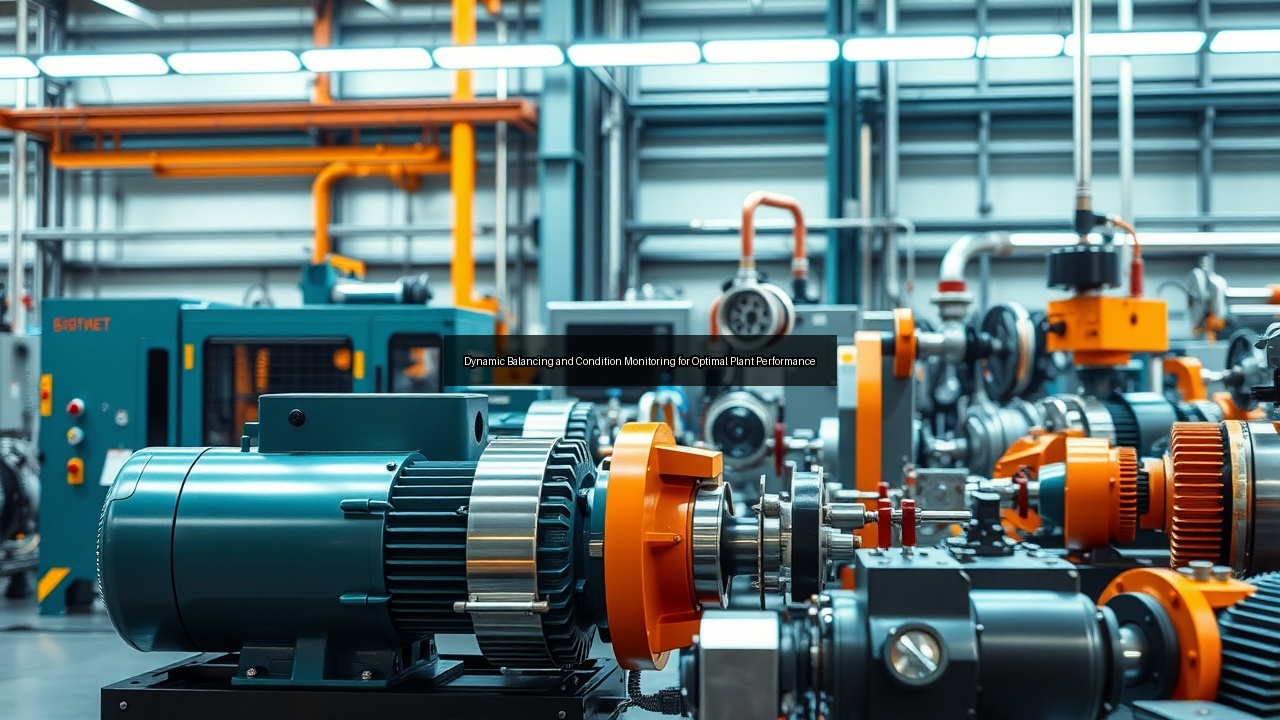
Dynamic balancing service corrects uneven weight distribution in rotating equipment so plants maintain steady operation without excessive vibration. Engineers rely on this approach to protect compressors, pumps, turbines, and gas turbines from premature wear. When rotors spin out of balance, forces transmit through bearings and foundations, shortening equipment life and raising energy costs. A thorough dynamic balancing service reduces these forces, improves motion control, and prevents liquid or gas leaks caused by misalignment. Plants that schedule regular balancing report fewer unplanned stops and lower maintenance expenses. The process also supports sustainability goals because balanced machines consume less power and generate less waste heat. Operators collect vibration data during inspection rounds and compare readings against baseline values to decide when intervention is needed. In high-speed applications such as electric motor balancing services or motor balancing service for large drives, even small corrections yield measurable reliability gains. Dynamic balancing service therefore forms a core part of any engineering strategy aimed at continuous production.
Key Components of Dynamic Balancing Services
Effective dynamic balancing services combine specialized equipment, skilled technicians, and precise instrumentation. A balancing machine measures amplitude and phase of vibration while the rotor turns at operational speed. Sensors capture signals that software amplifies and converts into correction weights and angles. Technicians then add or remove material at calculated locations on the rotor. Calibration of the balancing machine ensures repeatable results across different rotor sizes. Many facilities integrate oil analysis and gear inspection into the same workflow because unbalanced rotors accelerate lubricant degradation and tooth wear. Dynamic motor balancing often requires portable units that clamp directly onto motor shafts in the field. These tools handle electric motor balancer jobs without full disassembly. The combination of laser alignment checks and ultrasonic thickness readings further refines the service. Plants that maintain an updated database of rotor drawings and previous correction records shorten future balancing cycles and improve overall plant uptime.
Common Applications of Dynamic Balancing in Industries
Dynamic balancing service appears across power generation, oil and gas, chemical processing, and manufacturing. In gas compressor stations, balanced impellers reduce pulsation that damages downstream piping. Pump stations use the same technique to eliminate cavitation caused by uneven hydraulic forces. Turbine rotors in combined-cycle plants receive balancing after every major overhaul to restore original performance. Electric motor balancing services keep fans, blowers, and conveyors running smoothly in continuous-process lines. Gearboxes benefit when pinions and wheels are balanced before assembly because residual unbalance amplifies tooth mesh frequencies. Corrosion or erosion on rotors can shift mass distribution over time, so periodic audit checks catch problems early. Many operators now bundle dynamic balancing with condition monitoring contracts so that data from one supports decisions in the other. This integrated approach cuts both downtime and spare-parts consumption while meeting strict environmental and safety regulations.
Condition Monitoring Techniques for Optimal Performance

Overview of Condition Monitoring
Condition monitoring tracks the health of rotating machinery through continuous or periodic measurement of vibration, temperature, and other parameters. Plants install sensors on compressors, pumps, and turbines to detect changes before failure occurs. The resulting information feeds reliability programs that schedule maintenance only when data indicates need. This predictive strategy replaces fixed-interval overhauls and reduces unnecessary work. Operators review trends in amplitude, frequency content, and phase to identify imbalance, misalignment, looseness, or bearing defects. When readings exceed alarm limits, technicians perform targeted inspection rather than broad disassembly. Condition monitoring also supports sustainability because early intervention prevents catastrophic leaks of oil or process gas. Many facilities link monitoring platforms directly to computerized maintenance systems so work orders generate automatically. The approach works equally well for new installations and legacy equipment after proper sensor placement and baseline establishment.
Key Technologies in Condition Monitoring
Modern condition monitoring relies on accelerometers, proximity probes, and wireless transmitters that stream data to centralized dashboards. Advanced software applies amplification and filtering to isolate fault signatures from normal operating noise. Portable collectors still serve plants during route-based inspections when permanent sensors are impractical. Integration with infrared thermography adds temperature profiles that reveal hot spots on motor windings or bearing housings. Ultrasonic detectors locate leaks in compressed gas or steam systems that vibration alone might miss. Calibration of all instrumentation remains essential for accurate trending. Facilities often combine these tools with rotor balancing data so that corrections can be verified immediately after service. The result is a closed-loop system where dynamic balancing service and condition monitoring reinforce each other. Plants that invest in these technologies report measurable improvements in mean time between failures and lower overall maintenance costs.
Infrared Thermography and its Role in Maintenance
Infrared thermography converts surface temperature patterns into visible images that highlight developing problems. Technicians scan motor housings, pump casings, and compressor bearings during routine audits to spot overheating caused by imbalance or lubrication issues. A sudden temperature rise often precedes vibration increases, giving maintenance teams extra lead time. When paired with dynamic balancing service, thermography confirms that corrections have restored normal thermal signatures. Operators also use the technique to inspect electrical connections and transformer bushings that can affect motor performance. In gas turbine applications, thermography detects cooling-air blockages or insulation breakdown before efficiency drops. The non-contact nature of the inspection allows safe evaluation of running equipment without production interruption. Regular training and camera calibration keep results consistent across different technicians and seasons. Plants that document thermographic findings alongside vibration spectra build stronger reliability cases for capital investments in new balancing machines or upgraded sensors.
Dynamic Balancing Processes and Technologies
The Dynamic Balancing Process Explained
The dynamic balancing process begins with an initial vibration survey at operating speed. Technicians mount sensors and record amplitude and phase on each bearing. Software calculates trial weight size and placement, then the rotor runs again to measure the effect. Vector calculations determine the final correction masses, which are welded, bolted, or drilled into position. Verification runs confirm that residual unbalance falls within tolerance. Portable dynamic balancing solutions allow this sequence on-site for large rotors that cannot ship to a shop. Electric motor balancing services follow identical steps but often include rotor removal for better access. Throughout the process, operators monitor oil temperature and bearing vibration to ensure safe conditions. Detailed reports capture before-and-after readings so reliability engineers can track improvement. The entire sequence typically completes in one shift when crews arrive prepared with rotor drawings and balancing weights.
Balancing Machines: Types and Functions
Balancing machines range from small horizontal units for armatures to large vertical machines that handle turbine disks. Soft-bearing machines measure displacement directly while hard-bearing designs use force sensors for higher accuracy at varying speeds. Computer-controlled models store multiple rotor setups and guide operators through correction steps. Field balancing machines attach to existing foundations and use laser tachometers for phase reference. Many plants maintain both shop and portable units so that routine work stays in-house while urgent jobs receive immediate attention. Proper machine calibration and periodic verification against master rotors preserve measurement integrity. Facilities that combine balancing machine capacity with condition monitoring data can prioritize which rotors need service first. This equipment investment pays for itself through extended component life and reduced spare inventory.
Laser and Ultrasonic Techniques in Balancing
Laser alignment systems measure shaft centerlines in three dimensions before balancing begins, eliminating soft-foot and angular errors that mimic unbalance. Ultrasonic probes check rotor wall thickness for hidden corrosion that could affect mass distribution after correction. During the balancing run, laser tachometers provide precise speed and phase signals without mechanical contact. Ultrasonic leak detectors verify that gas or liquid seals remain intact once the machine returns to service. These non-destructive techniques integrate smoothly with traditional balancing procedures and add diagnostic depth. Plants that adopt laser and ultrasonic methods alongside dynamic balancing service achieve tighter tolerances and longer intervals between interventions. The data also supports ISO documentation requirements for traceability and continuous improvement.
Ensuring Reliability and Sustainability in Plant Operations
ISO Certification and Standards for Balancing Services
ISO 9001 certification demonstrates that a dynamic balancing service provider follows documented processes for quality control and customer communication. Auditors review calibration records, technician training files, and final report accuracy during certification visits. Compliance with ISO 10816 and related balancing standards ensures rotors meet internationally recognized vibration limits. Plants that require certified vendors gain confidence that each job follows repeatable engineering practices. Certification also covers traceability of weights and materials used during correction, supporting audit requirements from insurers and regulators. Facilities that maintain their own ISO programs often extend similar discipline to in-house balancing teams. The result is consistent output whether work occurs in a central shop or at remote compressor stations.
The Role of Condition Monitoring in Reliability
Condition monitoring supplies the early warning data that allows reliability teams to plan dynamic balancing service at the right moment. Continuous sensor streams reveal gradual mass shifts caused by erosion or product buildup before vibration reaches alarm levels. When combined with periodic inspection of gears, bearings, and oil condition, the program creates a complete picture of machine health. Reliability engineers use this information to justify capital projects such as upgraded balancing machines or additional sensors. Plants that close the loop between monitoring and balancing see measurable gains in overall equipment effectiveness. The approach also reduces safety incidents because unbalanced rotors are less likely to shed blades or cause catastrophic failures in high-energy gas turbines.
Sustainability Practices in Dynamic Balancing and Condition Monitoring
Sustainability improves when plants extend equipment life through precise dynamic balancing service and proactive condition monitoring. Balanced rotors consume less electricity, lowering the carbon footprint of every production ton. Reduced vibration decreases lubricant consumption and waste-oil generation. Many facilities now recycle correction weights and document energy savings that result from each balancing job. Condition monitoring prevents leaks of process gas or cooling liquid that would otherwise require environmental remediation. Ultrasonic and infrared inspections locate insulation failures or steam traps that waste energy. When plants align these practices with ISO 9001 procedures, sustainability metrics become part of routine reporting. The combined effect supports both regulatory compliance and corporate environmental targets while maintaining high reliability standards across all rotating assets.
See Also
- Exploring the Impact of Ultrasonic Inspection in Dynamic Balancing Processes
- The Role of Dynamic Balancing in Enhancing Reliability of Compressors and Turbines
- How Dynamic Balancing Solutions Drive Sustainability in Modern Manufacturing
- Unlocking Efficiency with Dynamic Balancing Services for Industrial Machines