Energy-Saving Strategies in Custom Dust Collection Systems
Understanding Custom Dust Collection Systems
The Importance of Dust Control in Manufacturing
Dust control plays a critical role in manufacturing environments, influencing both productivity and worker safety. Excess dust accumulation can lead to equipment malfunctions, affecting quality control and operational efficiency. Moreover, the inhalation of airborne particulates poses significant health risks for workers, making effective dust collection paramount. Custom dust collectors address these specific needs by tailoring systems to the unique requirements of each manufacturing space. Whether the operation involves woodworking, metalworking, or food processing, controlling dust with precision enhances air quality and compliance with safety regulations such as those set by OSHA. By investing in effective dust control systems, manufacturers not only protect their workforce but also optimize their operational processes, ensuring a clean and efficient working environment.
Engineering Principles Behind Custom Dust Collectors
Engineering principles form the backbone of custom dust collection systems. Effective designs leverage fluid dynamics, ensuring that airflows effectively transport dust to collection points without creating excessive pressure drops. Cyclone dust collectors, for instance, utilize centrifugal force to separate heavier particulates from the air stream, making them ideal for larger particles and higher volume applications. Additionally, the integration of advanced filtration technology, such as cartridge filters, enhances the system's efficiency by capturing smaller particulates that traditional systems might miss. Engineers must also consider the layout of duct work, ensuring that the design minimizes bends and turns to maintain optimal airflow. Each element of the system must work harmoniously to achieve maximum dust control while minimizing energy consumption, thus aligning with the goal of sustainable manufacturing practices.
Key Components of Dust Collection Systems
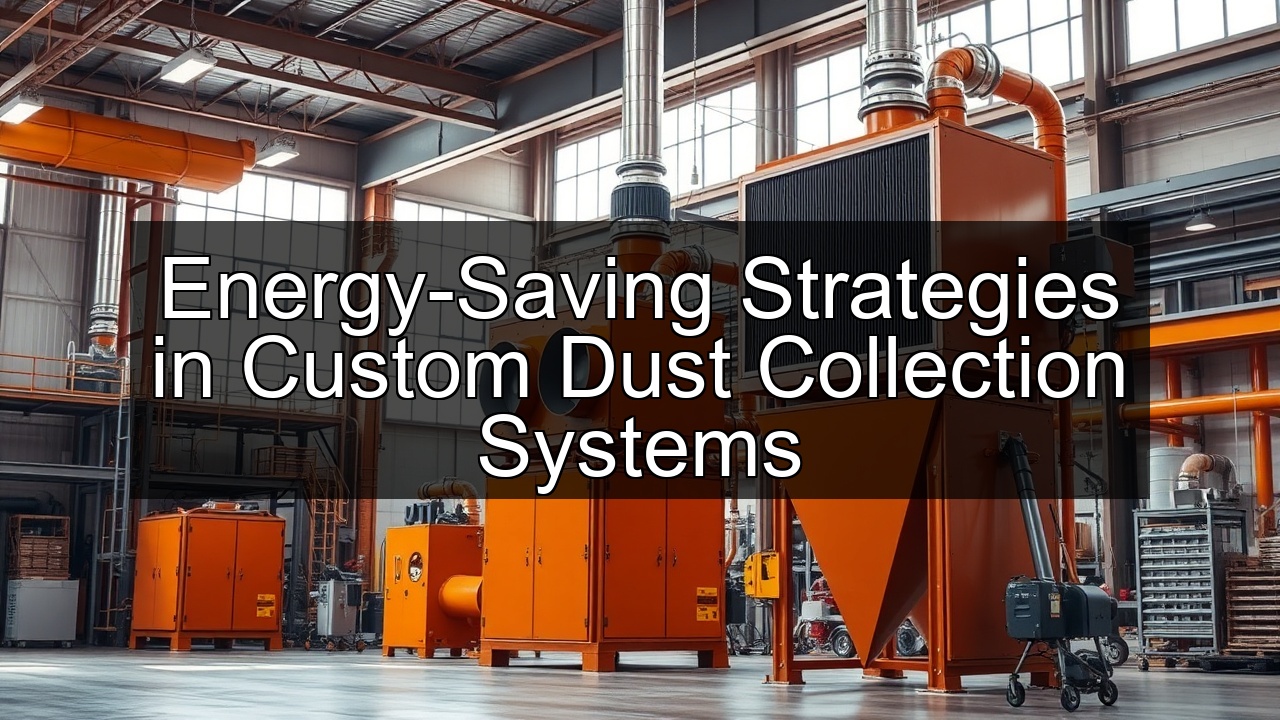
A robust dust collection system comprises several key components that work together to ensure efficiency and effectiveness. At the heart of these systems are the dust collectors themselves, which can include cyclone models, baghouses, and cartridge-style filters, each tailored for specific applications. Duct work, the network of pipes that transport dust-laden air to the collector, must be designed to minimize air resistance and ensure smooth airflow. Fans or blowers create the necessary suction to draw air through the system, requiring careful selection based on the system’s capacity. Additionally, control panels and automation systems allow for real-time monitoring and adjustments, enhancing operational efficiency. By understanding and optimizing each component, manufacturers can design custom dust collection systems that not only meet regulatory compliance but also improve overall productivity.
Energy-Saving Strategies in Dust Collection
Optimizing Duct Work for Efficiency
Optimizing duct work stands as one of the most effective energy-saving strategies in custom dust collection systems. Properly designed ducts minimize friction losses and maintain smooth airflow, reducing the energy required to operate fans and blowers. Engineers often employ strategies such as increasing duct diameter, which lowers air velocity, thereby reducing noise and energy consumption. Additionally, limiting unnecessary bends and turns in the ducting layout helps maintain airflow efficiency. Implementing variable frequency drives (VFDs) on fans allows for real-time adjustments based on system demand, further enhancing energy savings. Regular maintenance and inspections of duct work ensure that leaks are promptly addressed, preventing wasted energy and maintaining optimal performance. These measures collectively contribute to a more energy-efficient dust collection system while ensuring effective dust control.
Leveraging Automation in Dust Collector Operation
Automation significantly enhances the efficiency and energy savings of dust collection systems. Smart controls can optimize the operation of dust collectors based on real-time data, adjusting airflow and filtration levels to match the dust generation rate. For instance, dust collectors equipped with sensors can activate only when needed, reducing unnecessary energy consumption during low-activity periods. Automation also streamlines maintenance schedules by monitoring filter conditions and alerting operators when replacements are necessary, preventing inefficiencies caused by clogged filters. Moreover, integrating automation with building management systems allows for coordinated operation of ventilation and dust control, ensuring that air quality remains optimal while minimizing energy expenditure. By embracing automation, manufacturers not only improve operational efficiency but also contribute to a more sustainable approach to dust management.
Utilizing State-of-the-Art Filtration Technology
State-of-the-art filtration technology plays a pivotal role in enhancing the energy efficiency of custom dust collectors. Modern filtration systems utilize advanced materials that provide higher dust capture rates while requiring less energy to operate. For instance, HEPA filters and high-efficiency cartridge filters can capture smaller particulates, improving air quality without the need for larger collector units. These advanced filters often feature self-cleaning mechanisms, reducing the demand for frequent replacements and minimizing maintenance costs. Additionally, the integration of smart filtration technology allows for predictive maintenance, where filters are monitored for performance, ensuring that they operate at peak efficiency. This proactive approach not only saves energy but also extends the lifespan of dust collection systems, making it a smart investment for manufacturers focused on sustainability and cost-effectiveness.
Enhancing Air Quality and Worker Safety
Compliance with OSHA Regulations
Compliance with OSHA regulations is essential for ensuring a safe working environment, especially in facilities that deal with hazardous dust. Custom dust collectors help manufacturers meet these standards by effectively capturing airborne particulates before they can pose a risk to workers. OSHA sets permissible exposure limits (PELs) for various dust types, emphasizing the importance of proper ventilation and dust management systems. Custom systems can be designed to address specific dust types prevalent in various industries, ensuring that air quality remains within safe limits. Regular monitoring and maintenance of dust collection systems are vital for ongoing compliance, enabling manufacturers to safeguard their workforce while avoiding potential fines or legal repercussions. By prioritizing compliance, companies not only protect their employees but also foster a culture of safety and responsibility.
Impact of Dust Collectors on Air Pollution Control
Dust collectors significantly contribute to air pollution control efforts by capturing and reducing airborne particulates that can harm both human health and the environment. Effective dust collection systems minimize the release of hazardous dust into the atmosphere, thus playing a crucial role in maintaining air quality standards. The integration of advanced filtration technologies ensures that even the smallest particulates are captured, reducing the potential for respiratory issues among workers and surrounding communities. Moreover, many jurisdictions require compliance with environmental regulations regarding emissions, making custom dust collectors not just a safety measure but a legal necessity. By investing in these systems, manufacturers demonstrate their commitment to environmental stewardship while simultaneously protecting their workforce and enhancing their overall operational sustainability.
Strategies for Maintaining Clean Air in Workspaces
Maintaining clean air in manufacturing workspaces involves a multifaceted approach centered around effective dust control. Custom dust collectors should be regularly inspected and maintained to ensure optimal performance. Implementing routine cleaning schedules for both the collectors and the surrounding work areas helps prevent dust accumulation and guarantees a consistently safe environment for workers. Additionally, establishing air quality monitoring systems can provide real-time information regarding airborne particulates, allowing for immediate corrective actions if necessary. Training employees on the importance of maintaining clean workspaces and proper use of dust collection equipment further enhances air quality. By adopting these proactive strategies, manufacturers can create healthier work environments, leading to improved worker morale and productivity.
Future Trends in Dust Collection Technology
Innovations in Cyclone and Cartridge Systems
Innovations in cyclone and cartridge systems are setting new standards for efficiency and effectiveness in dust collection technology. Enhanced cyclone designs feature improved airflow dynamics that boost separation efficiency while requiring less energy for operation. New materials and coatings in cartridge filters increase their dust-holding capacity and extend service life, reducing maintenance costs. Additionally, advancements in modular designs allow for easier integration and scalability, making it simpler for manufacturers to adapt their dust collection systems as needs evolve. These innovations not only optimize dust control but also contribute to energy savings, making modern systems more sustainable and cost-effective. As technology continues to advance, manufacturers will have access to even more efficient dust collection solutions tailored to their specific operational requirements.
The Role of OEMs in Custom Dust Collector Development
OEMs play a vital role in the development and enhancement of custom dust collectors, continually pushing the boundaries of technology and innovation. By collaborating closely with manufacturers, OEMs can design systems that are not only tailored to specific dust control needs but also incorporate the latest advancements in filtration and automation. This partnership often leads to the creation of unique, specialized systems that address industry-specific challenges. Furthermore, OEMs provide essential support in the areas of operation and maintenance, ensuring that custom dust collection systems remain functional and efficient over time. The ongoing relationship between manufacturers and OEMs fosters a culture of improvement, driving the development of more effective dust collection solutions that prioritize both worker safety and environmental responsibility.
Advancements in Dust Extraction and Filtration Systems
Advancements in dust extraction and filtration systems are revolutionizing how industries approach dust management. New technologies, such as electrostatic precipitators and advanced multi-stage filtration systems, provide higher capture efficiencies and lower energy requirements. These systems can handle a wide range of particulate sizes, making them suitable for various applications, from woodworking to metal fabrication. Additionally, innovations in smart technology enable more precise monitoring and control of dust collection processes, allowing for immediate adjustments based on real-time data. Such advancements not only improve air quality and worker safety but also contribute to overall operational efficiency. As industries continue to evolve, the demand for cutting-edge dust extraction and filtration systems will grow, paving the way for a cleaner, safer future in manufacturing.
See Also
- The Evolution of Dust Collection Technology in Modern Manufacturing
- Unlocking Clean Air with Custom Dust Collectors for Every Industry
- The Future of Dust Control is Here with Advanced Custom Filtration
- Navigating the Challenges of Dust Control with Custom Solutions
- Why Custom Dust Collectors are a Game Changer for OEMs