Enhancing Ergonomics in Custom Machine Design
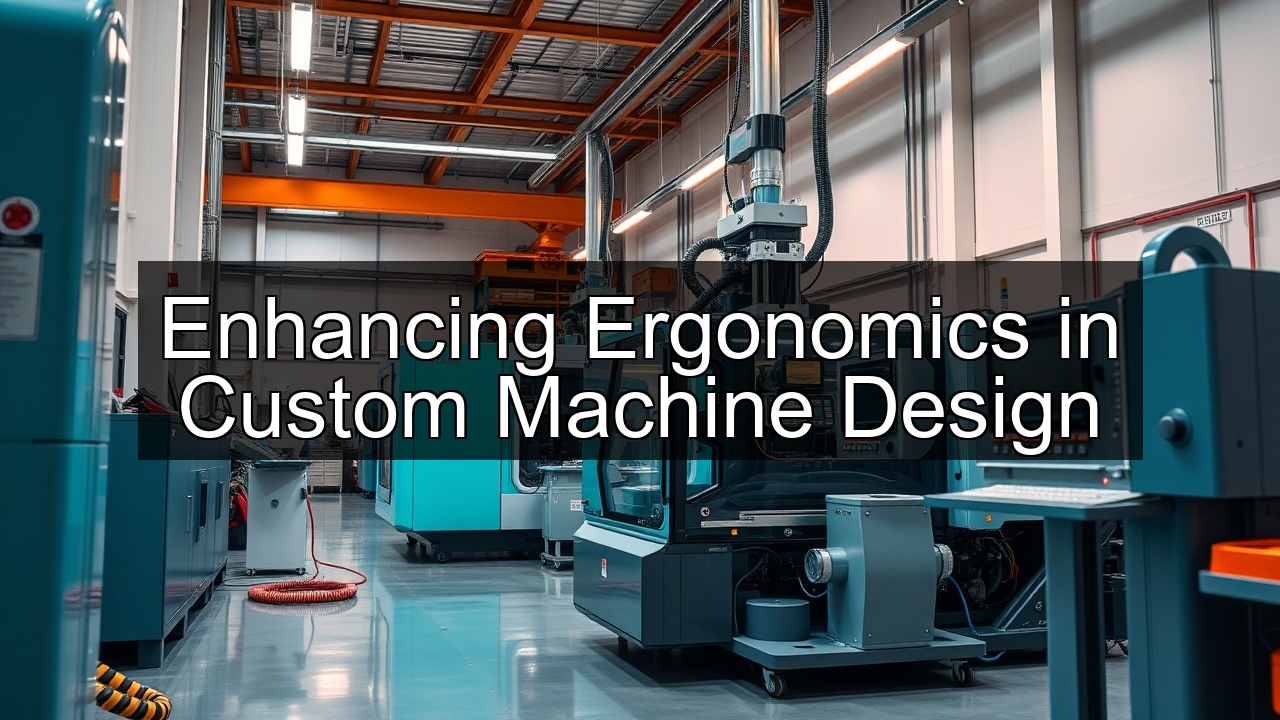
Understanding Ergonomics in Custom Machine Design
The Importance of Ergonomics in Machine Building
Ergonomics plays a crucial role in custom machine design, especially for custom machine builders aiming to enhance user experience and maximize productivity. The objective of ergonomics is to create machines that not only perform tasks efficiently but also promote safety and comfort for operators. Poorly designed machines can lead to increased fatigue, injuries, and decreased morale among workers. As organizations prioritize employee well-being, integrating ergonomic principles into machine design becomes essential for achieving operational excellence. Custom-built machines that consider ergonomic factors minimize risks while ensuring that operators can interact with the equipment seamlessly, leading to better overall performance.
Key Ergonomic Principles for Custom Machinery
Several key ergonomic principles guide the design of custom machinery. Firstly, machine height should accommodate the average user to prevent awkward postures during operation. Controls and displays must be easily accessible and intuitive, enabling operators to perform tasks without unnecessary strain. Additionally, incorporating adjustable components allows for personalized configurations, catering to a diverse workforce. The design should also consider the frequency and duration of tasks, reducing repetitive motions that can lead to musculoskeletal disorders. By embedding these principles into the design phase, custom machine builders enhance usability, safety, and operator satisfaction, ultimately fostering a more productive work environment.
Impact of Ergonomics on Productivity and Efficiency
Integrating ergonomics into custom machine design significantly boosts productivity and efficiency. When operators work with machines tailored to their needs, they can perform tasks more quickly and accurately. Ergonomically designed workspaces reduce the time spent on correcting errors caused by uncomfortable equipment or improper tool placement. Moreover, minimizing strain and discomfort leads to fewer breaks and lower absenteeism, enhancing overall workflow. Studies show that investing in ergonomic design can yield substantial returns through improved productivity metrics. Organizations that prioritize ergonomic solutions not only optimize their operations but also foster a culture of safety and care for their workforce, which reflects positively on their bottom line.
Innovative Technologies for Enhancing Ergonomics
Utilizing CAD Software in Custom Machine Design
Computer-Aided Design (CAD) software revolutionizes the way custom machine builders approach ergonomic design. This advanced design software allows engineers to create detailed 3D models, enabling them to visualize how operators will interact with machinery. By simulating user movements and workflows, builders can identify potential ergonomic issues early in the design process. CAD tools facilitate rapid prototyping and iterative design, making it easier to incorporate feedback from operators and ergonomists. This collaborative approach ensures that the final product meets ergonomic standards, enhancing both reliability and user satisfaction. Ultimately, leveraging CAD software streamlines the design process, reduces time-to-market, and leads to more effective custom machine solutions.
The Role of Robotics in Ergonomic Solutions
Robotic systems play a pivotal role in enhancing ergonomics within custom machine design. By automating repetitive and physically demanding tasks, robots alleviate strain on human operators and minimize the risk of injury. This shift allows workers to focus on more complex, value-added activities that require cognitive skills and creativity. Custom machine builders can integrate robotic arms and automated systems into their designs to streamline production processes, enhancing both efficiency and safety. The adaptability of robots makes them suitable for various applications, from assembly lines to medical device manufacturing, where precision is paramount. As automation continues to evolve, the collaboration between human workers and robots will redefine ergonomic standards in machine design.
Integrating Automated Systems and Ergonomics
Integrating automated systems into custom machinery enhances ergonomics by reducing the physical demands placed on operators. Automated guided vehicles (AGVs) and conveyor systems transport materials and products with minimal human intervention, decreasing the need for manual handling. This integration not only improves workflow efficiency but also minimizes the risk of workplace injuries associated with lifting and moving heavy loads. Furthermore, intelligent automation systems can optimize production schedules based on ergonomic assessments, ensuring that operators are not overburdened. Custom machine builders who embrace automated solutions foster a safer work environment while optimizing productivity, ultimately leading to a more sustainable operational model.
Project Management and Ergonomics in Custom Machine Development
Best Practices for Managing Ergonomic Design Projects
Effective project management is essential for implementing ergonomic design principles in custom machine development. Establishing clear objectives, timelines, and budget constraints helps ensure that ergonomic considerations remain a priority throughout the project lifecycle. Collaboration among engineers, ergonomists, and operators fosters an inclusive design process, where diverse perspectives contribute to innovative solutions. Regular assessments during the design phase allow teams to identify and address ergonomic issues proactively. Additionally, incorporating user testing and feedback into the development process enhances the final product's usability and comfort. By adopting these best practices, custom machine builders can align their projects with ergonomic standards, resulting in machines that not only perform efficiently but also support the well-being of their operators.
Case Studies of Successful Ergonomic Retrofits
Numerous case studies demonstrate the effectiveness of ergonomic retrofits in custom machinery. For instance, a custom machine builder for the automotive industry implemented ergonomic design improvements in their assembly line. By adjusting workstation heights and incorporating adjustable tooling, they significantly reduced operator fatigue and increased output by 20%. Another case involved a medical custom built machines device manufacturer that redesigned its equipment to minimize repetitive motions. By integrating automated systems and ergonomic tools, the company improved worker satisfaction and reduced the risk of injuries related to prolonged manual handling. These case studies illustrate the tangible benefits of prioritizing ergonomics in machine retrofits, showcasing how thoughtful design can lead to enhanced productivity and worker safety. custom built machine
Collaboration Between Engineers and Ergonomists
Collaboration between engineers and ergonomists is vital for the successful design and implementation of ergonomic solutions in custom machinery. Engineers bring technical expertise and innovation, while ergonomists provide insights into human factors and usability. This synergy results in machines that are not only efficient but also tailored to the needs of operators. Regular communication and joint problem-solving during the design process ensure that ergonomic principles are effectively integrated into the functionality of the machinery. By fostering a collaborative environment, custom machine builders can create solutions that enhance both performance and safety, ultimately benefiting the entire organization.
Future Trends in Custom Machine Ergonomics
Advancements in Industrial Automation
Advancements in industrial automation are shaping the future of custom machine ergonomics. The integration of artificial intelligence and machine learning enables smarter systems that adapt to user needs and workflows. These technologies facilitate real-time monitoring, allowing for adjustments to be made based on operator feedback and ergonomic assessments. As systems become more intelligent, custom machine builders can create solutions that not only optimize efficiency but also prioritize user comfort and safety. Embracing these advancements will be key to staying competitive in an evolving market, paving the way for innovative designs that redefine ergonomic standards in machine construction.
The Rise of Automated Guided Vehicles in Machine Design
Automated guided vehicles (AGVs) are becoming increasingly prevalent in custom machine design, enhancing ergonomics and productivity. AGVs transport materials and products autonomously, reducing the need for manual handling and associated physical strain. This technology allows workers to focus on higher-level tasks while minimizing the risk of injury. Custom machine builders can integrate AGVs into their designs to create seamless workflows that improve efficiency and reduce operational costs. As AGVs continue to evolve, their role in promoting ergonomic solutions will only expand, making them a valuable asset in modern manufacturing environments.
Exploring Ergonomics in Medical Device Manufacturing
Medical device manufacturing presents unique ergonomic challenges that require specialized solutions. The precision and complexity involved in creating medical equipment demand a focus on operator safety and comfort. Custom machine builders in this sector must consider factors such as workstation design, tool accessibility, and the physical demands of tasks. Incorporating ergonomic principles not only enhances usability but also ensures compliance with industry standards. As the medical field continues to evolve, the emphasis on ergonomic design will play a critical role in improving production efficiency and maintaining high-quality standards in medical equipment manufacturing.