A Beginner's Guide to Wire Forming Processes and Their Applications
Understanding Wire Forming Processes
Overview of Wire Forming Techniques
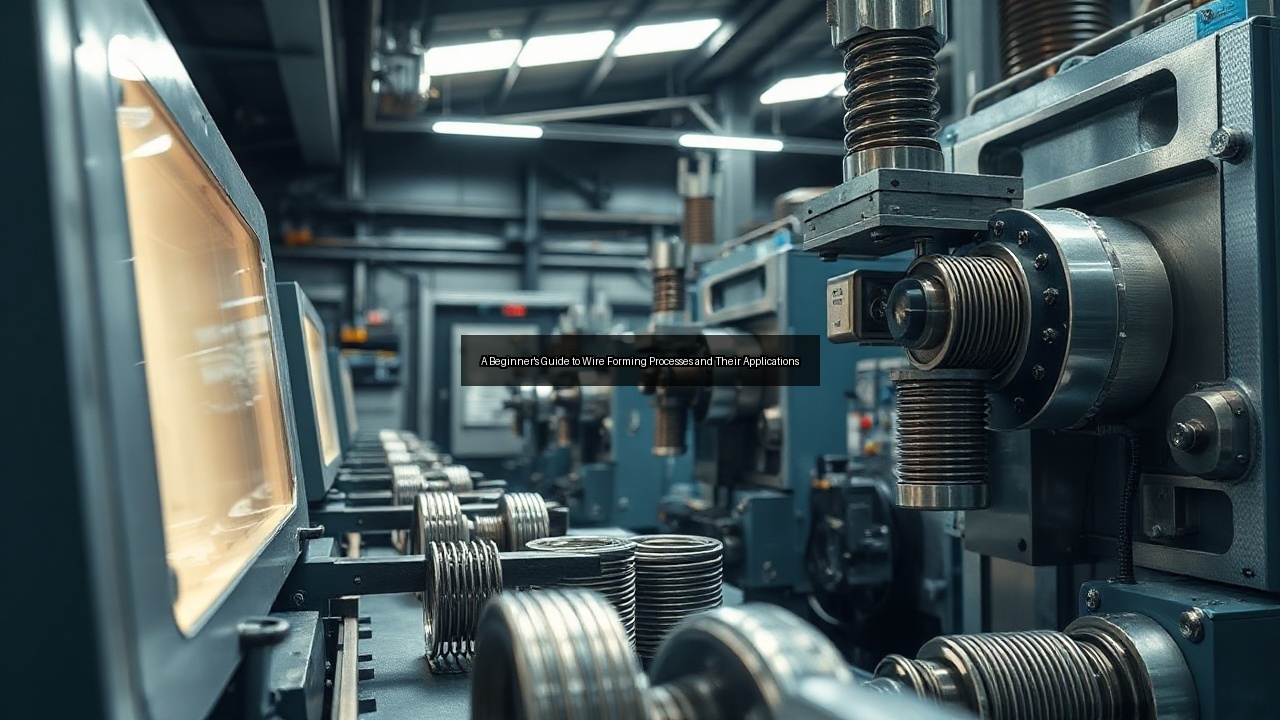
Wire forming encompasses a variety of techniques used to shape wires into specific configurations for numerous applications. The primary methods include bending, twisting, coiling, and cutting wires to create desired shapes or forms. Bending involves manipulating the wire into angles and curves, while twisting adds a spiral shape. Coiling, a crucial aspect of wire forming, results in circular shapes that can serve various functions, including the creation of coil springs. Cutting processes ensure precision in length and shape, which is vital for maintaining tolerances. By understanding these techniques, manufacturers can produce wire forms that meet exact specifications required in diverse engineering applications.
Importance of Tolerances in Wire Forming
Tolerances define the permissible limits of variation in a wire forming process, significantly affecting the functionality and compatibility of wire forms. In industries such as aerospace and automotive, where precision is paramount, adhering to strict tolerances ensures that components fit together seamlessly. For example, a slight deviation in diameter can lead to failure in a machine component. Manufacturers often utilize advanced technologies, including computer numerical control (CNC), to achieve the high precision needed in wire forming. By focusing on tolerances, businesses can enhance the reliability and durability of their products, ultimately leading to customer satisfaction and reduced costs associated with rework or failure.
Comparison of Different Wire Forming Methods
Wire forming methods vary significantly in terms of efficiency, cost, and the types of wire shapes produced. Common techniques include manual wire bending, CNC wire forming, and automated wire forming systems. Manual methods offer flexibility for prototyping and custom designs but can be labor-intensive and less precise. In contrast, CNC wire forming automates the process, providing high accuracy and repeatability, ideal for high-volume production. Automated systems excel in producing complex wire shapes quickly and efficiently, making them suitable for large-scale manufacturing. Understanding the strengths and weaknesses of each method allows manufacturers to select the most appropriate wire forming technique based on project requirements, budget, and production volume.
Materials Used in Wire Forming
Common Wire Materials: Stainless Steel vs. Steel
Choosing the right material for wire forming is crucial, as it impacts the performance and durability of the final product. Stainless steel and carbon steel are two of the most commonly used materials. Stainless steel exhibits excellent corrosion resistance, making it ideal for applications in challenging environments, such as aerospace and marine industries. Its strength and aesthetic appeal also contribute to its popularity. Conversely, carbon steel offers higher tensile strength and is often more cost-effective for applications that do not require corrosion resistance. The choice between these materials depends on specific project needs, including the desired properties, wire diameter, and expected environmental conditions.
Understanding Wire Diameter and Its Impact on Forming
Wire diameter plays a critical role in the wire forming process, influencing the strength, flexibility, and overall characteristics of the final product. Thicker wires tend to provide higher strength, making them suitable for structural applications. Conversely, thinner wires offer greater flexibility, allowing for intricate shapes and designs. This flexibility is particularly beneficial in creating coil springs, which need to absorb energy and return to their original shape. Manufacturers must carefully consider wire diameter when designing wire forms to ensure that the final product meets performance criteria while maintaining structural integrity.
The Role of Coil Springs in Wire Forming
Coil springs are a vital application of wire forming, serving essential functions in various mechanical systems. These springs store energy and release it as needed, making them integral in applications ranging from automotive suspensions to industrial machinery. The wire forming process for coil springs involves precise bending and coiling techniques to achieve the desired shape and tension. Material choice, wire diameter, and the number of coils significantly impact the spring's performance. Understanding these factors allows engineers to design coil springs that optimize functionality while adhering to the necessary tolerances and specifications.
Applications of Wire Forming in Various Industries
Wire Forming in Aerospace Engineering
Aerospace engineering relies heavily on wire forming processes to create components that meet stringent safety and performance standards. Wire forms in this field often include structural supports, brackets, and various fittings that require high strength and low weight. The use of materials such as stainless steel ensures resistance to extreme conditions, including temperature fluctuations and corrosion. Advanced wire forming techniques, such as CNC machining, allow for precise manufacturing of complex shapes, which is essential for the intricate designs typical in aerospace applications. The effectiveness of wire forming in aerospace engineering highlights its importance in contributing to the safety and reliability of aircraft and spacecraft.
Prototyping and Custom Wire Forms
Prototyping with wire forming techniques enables designers and engineers to test and validate ideas before moving to full-scale production. Custom wire forms can be produced quickly using manual bending techniques or CNC machines, allowing for rapid iterations and adjustments. This flexibility is particularly valuable in industries like automotive and consumer electronics, where innovative designs must undergo rigorous testing. Prototyping not only saves time but also reduces costs by identifying potential design flaws early in the process. Manufacturers can create wire forms tailored to specific project requirements, ensuring that the final products meet both functional and aesthetic standards.
Innovative Applications in Machine Components
Wire forming serves as a foundational process in manufacturing various machine components. From gears and levers to brackets and clips, formed wire plays a critical role in the assembly and functionality of machines. Manufacturers utilize wire forming techniques to create components that require precision and durability, often integrating features like threading into the design. These formed wire parts must adhere to tight tolerances to ensure effective operation within larger systems. The versatility of wire forming allows for innovation in design, enabling the creation of lightweight yet robust components that enhance machine efficiency and performance.
The Future of Wire Forming Technology
Advancements in Computer Numerical Control (CNC)
The future of wire forming technology relies heavily on advancements in computer numerical control (CNC). CNC machines have revolutionized the wire forming process by offering unparalleled precision and automation. These machines can produce complex wire shapes with high repeatability, significantly reducing production time and labor costs. As CNC technology continues to evolve, manufacturers can expect improvements in speed, accuracy, and flexibility, allowing for the creation of more intricate designs and higher-quality wire forms. The integration of software that optimizes wire forming parameters will further enhance productivity and efficiency in the manufacturing process.
Integration of Extrusion Techniques in Wire Forming
Extrusion techniques are increasingly being integrated into wire forming processes to enhance production capabilities. This method involves forcing material through a die to create specific cross-sectional profiles, which can then be shaped into wire forms. The combination of extrusion and wire forming allows manufacturers to produce complex shapes with minimal waste and high efficiency. This innovative approach not only streamlines production but also expands the range of materials that can be used in wire forming. As extrusion technology advances, its application in wire forming will likely become more prevalent, driving further innovation in the industry.
Emerging Trends in Wire Forming Services
Emerging trends in wire forming services focus on sustainability, customization, and automation. As industries increasingly prioritize eco-friendly practices, manufacturers explore ways to reduce waste and energy consumption in wire forming processes. Customization is also a significant trend, as clients demand tailored solutions that meet their unique specifications. This shift toward personalized products necessitates advanced wire forming capabilities that can accommodate diverse design requirements. Additionally, the rise of automation in the wire forming industry enhances efficiency and consistency, wire formed allowing businesses to meet growing market demands while maintaining high-quality standards. Embracing these trends will position manufacturers to thrive in a competitive landscape.