Innovative Machining Solutions for Aerospace Castings and Custom Parts
Understanding Aerospace Machining Services
Overview of Aerospace Machining
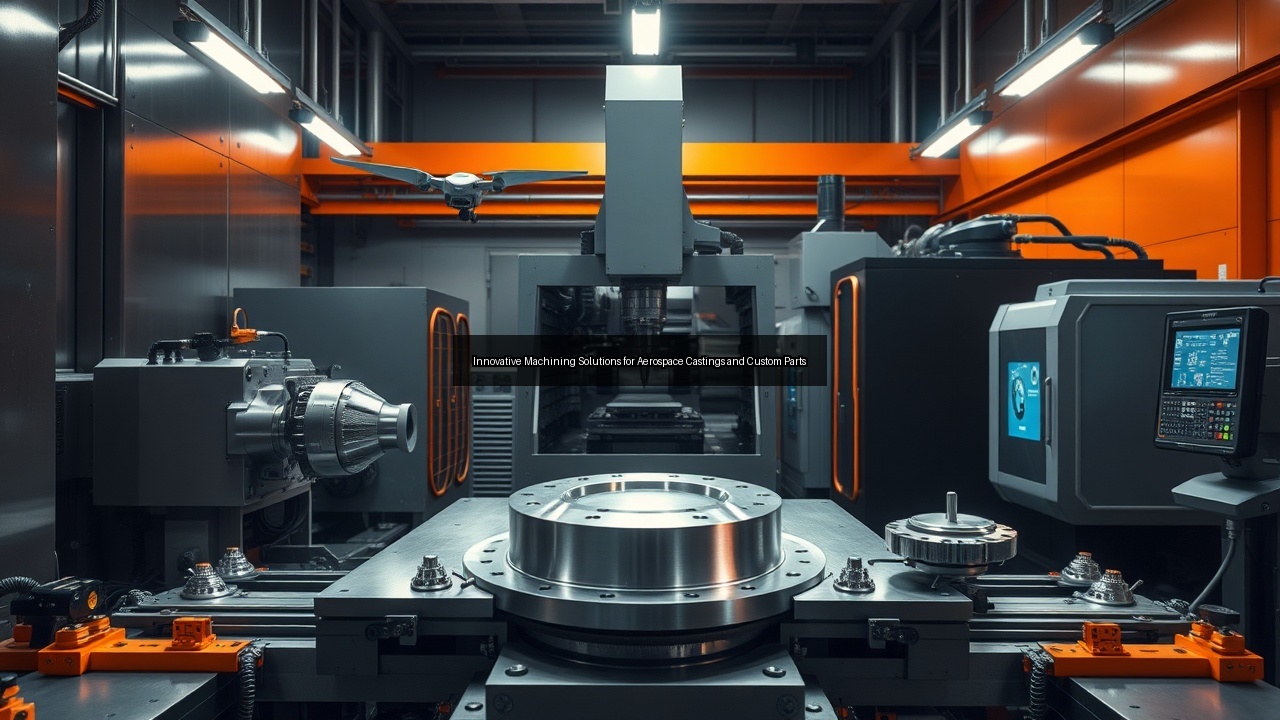
Machinists deliver aerospace machining services that turn raw castings into flight-ready components through precise milling and cutting operations. These services support the aerospace industry by handling complex geometries in metal parts destined for aircraft and spacecraft. Engineering teams rely on established processes to maintain tight tolerances across production runs. Aerospace machining services integrate cnc machining with traditional methods to produce reliable results in high-volume settings. Manufacturers apply these techniques to everything from structural brackets to intricate housings, ensuring each piece meets operational demands without excess material waste.
Types of Aerospace Components
Aerospace components range from engine casings machined from solid titanium stock to lightweight aluminum brackets used in airframes. Custom aerospace machining addresses parts for military aircraft, uav platforms, and commercial jets alike. Machining services for aerospace also cover turbine blades, missile guidance housings, and landing gear fittings crafted from stainless steel or tool steel. Precision aerospace machining handles both large castings and small fasteners, giving manufacturers flexibility when building next-generation aircraft. Each component type demands specific fixturing and tool paths to achieve the required surface finishes and dimensional stability.
Importance of Precision in Aerospace
Precision and accuracy determine whether machined aerospace parts perform safely under extreme conditions. Aerospace machining services emphasize repeatability so that every batch of castings meets identical specifications. Small deviations in tolerance can compromise engine efficiency or structural integrity on aircraft. Machinists use advanced measurement systems during cnc machining to verify dimensions before parts leave the shop floor. This focus on exacting standards supports the aerospace industry’s commitment to reliability across commercial, military, and space applications, reducing the risk of in-flight failures.
Key Materials Used in Aerospace Machining
Titanium and Its Applications
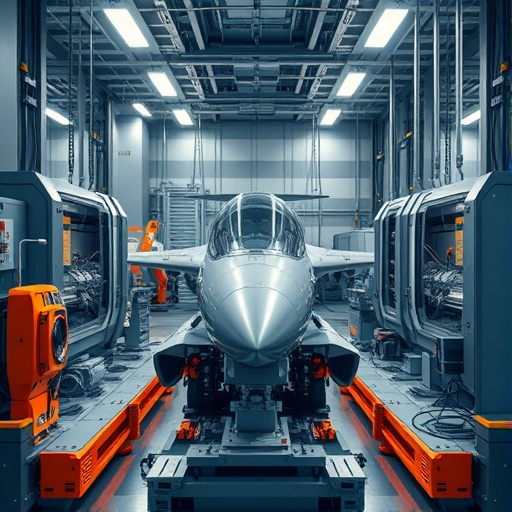
Titanium offers an exceptional strength-to-weight ratio that makes it indispensable for aerospace machining services. Machinists mill titanium castings into compressor disks, fan blades, and fuselage frames that withstand high temperatures and corrosive environments. Aerospace component machining of titanium requires specialized tools and coolant strategies to prevent work hardening. Manufacturers select this metal for critical engine sections and landing gear where weight savings directly improve aircraft performance. CNC aerospace machining centers process titanium efficiently while preserving material integrity throughout the production cycle.
The Role of Aluminum in Aerospace
Aluminum remains a staple material in aerospace machining because it machines quickly and delivers solid strength at low weight. Aerospace machining services routinely produce aluminum wing spars, fuselage skins, and interior fittings from both plate and cast stock. Milling operations on aluminum components achieve fine surface finishes that reduce drag on aircraft. Engineers specify aluminum alloys for uav airframes and spacecraft structures where mass reduction is paramount. Custom aerospace machining of aluminum supports rapid prototyping and full-scale manufacturing without sacrificing durability.
Using Cobalt and Steel for Reliability
Cobalt and steel alloys provide the hardness and heat resistance needed for demanding aerospace parts. Machinists machine cobalt-based superalloys into turbine blades and missile components that endure extreme operating temperatures. Steel, including stainless steel and tool steel variants, forms reliable structural elements in landing gear and engine mounts. Aerospace machining services apply these metals through rigorous cnc machining protocols that maintain consistent hardness and fatigue resistance. The resulting parts deliver long service life under the repeated stress cycles typical of military aircraft and commercial operations.
Innovative Techniques and Technologies in Aerospace Machining
CNC Machining: Revolutionizing Production
CNC machining has transformed aerospace machining services by enabling complex multi-axis operations on a single setup. Machinists program five-axis cnc centers to mill intricate castings for aircraft engines and spacecraft modules with minimal fixturing changes. This technology improves throughput while maintaining the precision aerospace machining demands. Aerospace parts machining now achieves tighter tolerances faster than manual methods allowed, supporting higher production volumes. Manufacturers integrate simulation software with cnc machining workflows to optimize tool paths before any metal is cut.
Industrial Automation in Aerospace Manufacturing
Industrial automation streamlines aerospace machining services through robotic loading, in-process inspection, and automated tool changers. Automated cells run continuous shifts machining aluminum and titanium parts for uav and military aircraft programs. Automation reduces human error and keeps consistent quality across large batches of castings. Aerospace industry facilities combine industrial automation with cnc machining to shorten lead times on custom orders. The approach also improves safety by limiting operator exposure to heavy materials and high-speed cutting operations.
Advancements in Tool Design for Aerospace Parts
Modern tool designs incorporate advanced coatings and geometries tailored for aerospace materials. Machinists use these tools during milling of cobalt, stainless steel, and titanium to extend tool life and maintain surface integrity. Aerospace machining services benefit from tools engineered specifically for thin-wall castings and deep pocket features common in engine components. Improved tool steel substrates resist wear when machining high-nickel alloys used in turbine blades. These advancements allow manufacturers to push cutting parameters higher without compromising the reliability of finished aircraft parts.
Applications of Machining in Aerospace
Machining Components for Military Aircraft
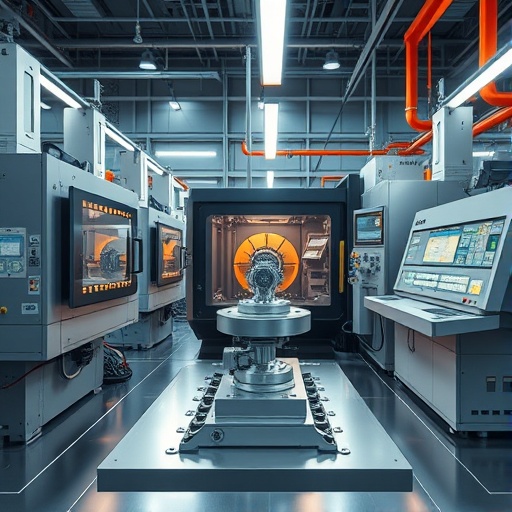
Military aircraft require machined parts that survive intense operational stresses and rapid deployment cycles. Aerospace machining services produce structural fittings, weapon pylons, and avionics housings from hardened steel and titanium castings. CNC machining centers handle the tight tolerances needed for interchangeable components across fighter and transport fleets. Machinists verify each part through rigorous inspection to ensure compatibility with existing airframes. The resulting components support mission readiness while meeting stringent defense specifications for strength and weight.
Custom Parts for UAVs and Spacecraft
UAV platforms and spacecraft demand lightweight custom parts machined to exacting standards. Aerospace machining services create composite mounting brackets, propulsion housings, and sensor enclosures from aluminum and titanium. CNC aerospace machining allows rapid iteration on designs for space architecture projects and next-generation drone systems. Machinists adapt milling strategies to accommodate thin sections and complex internal channels required in these applications. The finished parts contribute directly to reduced launch mass and improved flight endurance.
Precision Machining for Turbine Blades and Missiles
Turbine blades and missiles represent some of the most challenging applications for aerospace machining services. Machinists mill single-crystal and directionally solidified blades from cobalt and nickel alloys using specialized five-axis cnc machining. Similar processes produce guidance sections and airframe components for missiles from tool steel and stainless steel castings. Precision aerospace machining ensures aerodynamic profiles remain true under high rotational speeds and thermal loads. These capabilities support both commercial engine programs and defense manufacturing initiatives.
Challenges and Future Directions in Aerospace Machining
Addressing Reliability and Safety Standards
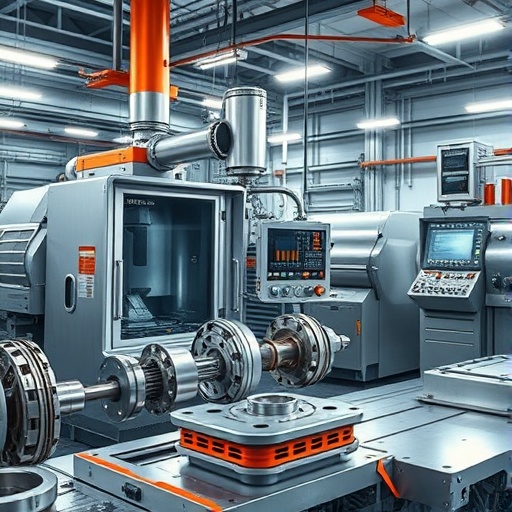
Reliability remains the cornerstone of aerospace machining services as manufacturers navigate increasingly rigorous certification requirements. Machinists document every step of the cnc machining process to provide traceability for critical aircraft components. Aerospace industry audits verify that machining parameters consistently produce parts free of defects that could affect flight safety. Ongoing process improvements focus on reducing variation in castings and finished metal parts. These efforts sustain the high reliability expected in both commercial and military aerospace applications.
The Impact of Semiconductors on Aerospace Machining
Semiconductors influence aerospace machining through advanced sensors and control systems embedded in modern cnc equipment. Machinists utilize real-time monitoring enabled by semiconductor technology to adjust cutting conditions on titanium and aluminum components. Aerospace machining services now incorporate data from these systems to predict tool wear and prevent scrap. Integration of semiconductor-driven controls improves overall equipment effectiveness in high-mix, low-volume production environments typical of the aerospace industry. This evolution supports tighter process control without additional manual intervention.
Sustainable Practices in Aerospace Manufacturing
Sustainable practices in aerospace machining services focus on minimizing material waste and energy consumption during milling operations. Manufacturers recycle titanium and aluminum chips generated from castings and implement dry machining techniques where feasible. CNC machining programs optimize tool paths to reduce air cuts and shorten cycle times. Aerospace industry leaders explore bio-based coolants and energy-efficient spindle motors to lower environmental impact. These initiatives maintain the precision and accuracy required for aircraft and spacecraft parts while advancing responsible manufacturing methods.
See Also
- Militarizing the Skies the Importance of Reliable Aerospace Machining Services
- The Art and Science of Machining Turbine Blades for Military Aircraft
- Crafting the Future of Flight with Precision Aerospace Parts Machining
- Exploring Space Architecture through Advanced Aerospace Machining Techniques
- How Industrial Automation is Revolutionizing Aerospace Component Manufacturing