How to Design Modular Workholding Fixtures for High-Mix, Low-Volume Machining
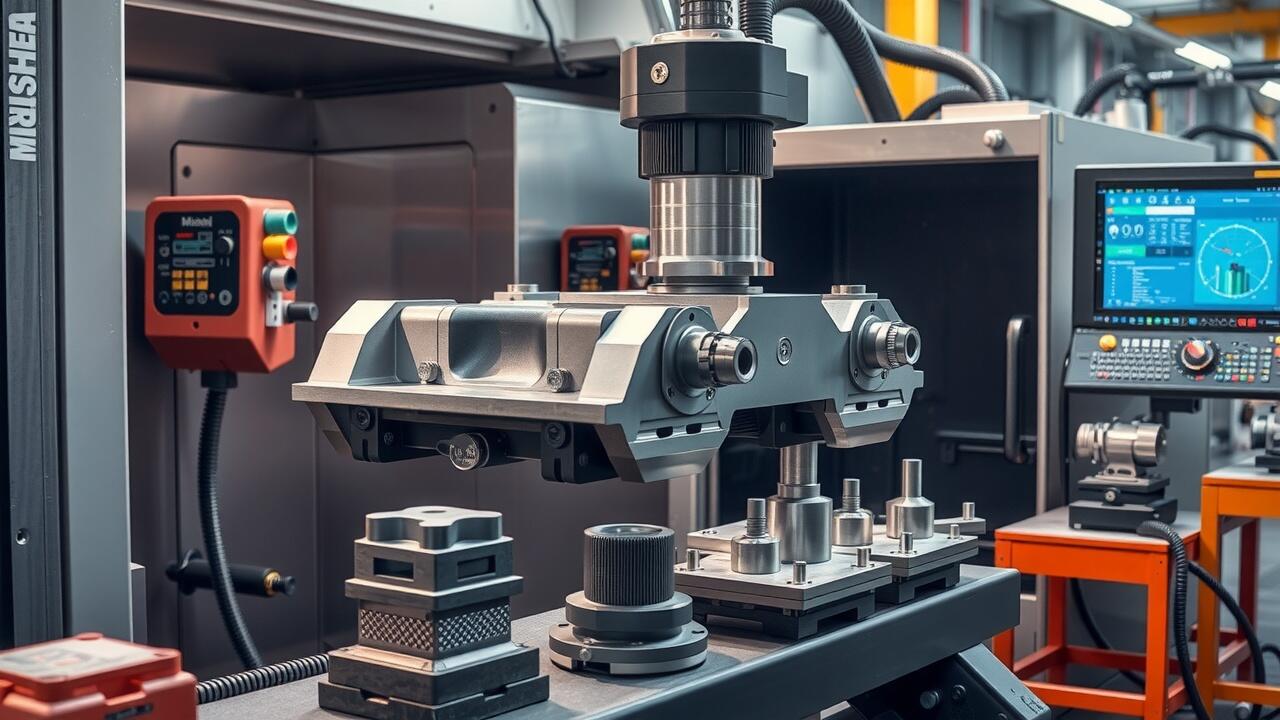
Material Selection for Workholding Fixtures
Choosing the right materials for workholding fixtures can significantly impact their longevity and performance. Steel is a popular choice due to its excellent strength and resistance to deformation, making it ideal for high-stress applications like custom welding fixtures. Aluminum is another go-to option because of its lightweight properties and corrosion resistance, which is particularly useful in environments where fixtures are frequently moved or adjusted. For specific applications, consider using high-density polyethylene (HDPE) for its excellent buffering capabilities, allowing for a safer working environment while preventing damage to sensitive workpieces.
Industry standards often dictate the robustness required for various tasks. Machinists frequently encounter situations where a fixture needs to endure high temperatures or resist chemicals. Custom workholding solutions that incorporate materials with enhanced thermal and chemical performance, like specialty polymers or tempered steel, can optimize reliability. Moreover, using modular designs with interchangeable components lets operators adapt to different machining tasks efficiently. An understanding of these material characteristics can help you create more effective welding workholdings that meet production demands while ensuring high-quality outcomes.
Which Materials Offer the Best Durability and Performance?
When selecting materials for workholding fixtures, durability and performance are at the forefront. Common options include aluminum, steel, and high-performance polymers. For instance, aluminum offers lightweight properties and good corrosion resistance, making it an excellent choice for applications where weight is a concern. On the other hand, steel is robust, providing unmatched strength and longevity under demanding conditions. A study from the National Institute of Standards and Technology highlighted that steel fixtures maintained functional integrity even after extensive cycling in high-impact environments.
Custom welding fixtures often require materials that can withstand high temperatures and mechanical stress. Incorporating alloy steels can elevate performance, particularly in welding workholdings, where the risk of warping or deformation is significant. High-temperature alloys like Inconel can further enhance thermal stability, particularly for applications involving precision machining. Additionally, a variety of surface treatments can improve wear resistance. For example, applying a hard anodized finish on aluminum can extend its lifespan significantly, demonstrating how material choice intertwines with design to achieve effective custom workholding solutions.
Incorporating Adjustability into Your Designs
Adjustable features in your workholding fixtures can drastically improve versatility and efficiency. For example, incorporating sliding or rotating elements allows operators to quickly adapt the fixture for different part shapes and sizes. This adaptability minimizes downtime between jobs, essential for high-mix, low-volume machining environments. Using custom workholding designs with various mounting options can streamline the setup process and keep production flowing smoothly.
Consider the use of quick-release mechanisms within your fixtures. These not only reduce the time it takes to change parts but can also enhance safety in the welding workholdings. If a fixture can accommodate multiple configurations without extensive modification, it boosts usability across a wide range of applications. Implementing these adjustable solutions can lead to significant improvements, such as a 20% reduction in setup time for common tasks, making your shop more responsive to customer demands. Adjustability isn't just a convenience; it’s a strategic advantage in today’s competitive landscape.
How Can Adjustable Features Enhance Fixture Usability?
Adjustable features in modular workholding fixtures can significantly streamline the machining process. For instance, using adjustable clamps allows for quick changes between different part sizes without the need for extensive setup time. Custom welding fixtures equipped with sliding tracks permit operators to position components with precision. This adaptability not only reduces downtime but also enhances overall productivity, particularly in environments characterized by high-mix, low-volume jobs.
Another practical advantage is the ability to accommodate various machining techniques. When working on projects that require different processes like milling and drilling, adjustable fixtures provide opportunities for fine-tuning. A case study from a manufacturing facility showed that implementing adjustable components led to a 30% increase in efficiency over a six-month period. These fixtures can meet the demands of custom workholding needs while ensuring accuracy in part production, ultimately enhancing usability in dynamic machining environments.
- Adjustable features save time by minimizing setup and changeover duration.
- They allow for easy customization to fit specific job requirements and part sizes.
- Enhanced precision and accuracy in placement lead to better quality in finished products.
- Operators can quickly switch between different machining techniques without extensive recalibration.
- Improved usability contributes to a safer workspace as adjustments can be made more easily.
- Flexible designs help adapt to evolving project demands and facilitate future upgrades.
- The integration of adjustable features can lead to reduced waste and lower material costs.
The Role of Technology in Fixture Design
Advancements in technology have reshaped the landscape of workholding fixture design. For instance, using CAD software allows professionals to visualize their concepts in a 3D space, making adjustments easier and more precise. A recent case study showed that a team using advanced simulation tools reduced their design time by 40% while simultaneously improving the effectiveness of custom workholding solutions. Integrating automated machining processes can optimize fixture production, allowing for quicker turnaround times and enhanced accuracy.
Modern tools also enable manufacturers to model and test various scenarios before any physical prototypes are created. This simulation process reduces errors that could lead to costly rework by verifying design integrity under different load conditions. Welding workholdings can greatly benefit from this technology, allowing engineers to refine the alignment and fit of their custom welding fixtures. Implementing these technological solutions leads to significant time savings and increased reliability in produced parts, highlighting the need for engineers to embrace these advancements in their workflows.
What Tools Can Help You Design More Effective Workholding Solutions?
Finding the right tools for designing effective workholding solutions can make all the difference in streamlining processes. Software like CAD (Computer-Aided Design) allows for detailed modeling of custom workholding and welding workholdings, enabling precise adjustments and configurations tailored to specific projects. For instance, a team using SolidWorks can simulate stress tests on their fixtures before manufacturing, saving both time and resources. The ability to iterate designs quickly and visually can lead to improved fixture effectiveness, offering a direct impact on production quality.
Advanced technology also extends beyond software to incorporate automation tools. Utilizing CNC machining for custom welding fixtures elevates the precision in fixture manufacturing, ensuring that tolerances are met consistently. Companies have reported up to a 30% increase in throughput when employing automated features in their design and production workflows. Additionally, software that integrates with Industry 4.0 practices provides real-time updates on fixture performance, helping teams make data-driven decisions that enhance usability and reliability in high-mix, low-volume machining environments.
Best Practices for Testing Modular Fixtures
Testing modular fixtures isn’t just an afterthought; it’s essential for ensuring that custom workholding solutions meet the demands of high-mix, low-volume machining. Start by simulating real-world conditions. For instance, if you’re designing custom welding fixtures, incorporate load tests that reflect the weight and stress the fixture will encounter. Using a gauge, track deformation under various loads to determine how well your fixture holds up over time. This strategy not only identifies potential weaknesses but also enhances your overall design process.
Next, gather data through iterative testing. After initial trials, refine your designs based on performance metrics. Aim for a standard where at least 95% of the fixtures operate within predefined tolerances after mechanical or thermal stresses. Consider engaging with industry standards such as those outlined in ISO 9001, focusing on quality management principles. Collaborating with machinists can provide insight on practical usability. Their feedback will help you tweak adjustments and ensure that every fixture is reliable, reducing production downtime and improving outcomes.
How Can Comprehensive Testing Improve Fixture Reliability?
Testing modular fixtures thoroughly can significantly enhance reliability. For example, implementing a robust testing regimen that involves load-bearing simulations can help identify weak points in designs. In a study, engineers found that 90% of structural failures related to workholding originated from inadequate stress testing. Using tools like finite element analysis (FEA) allows for precise evaluation, ensuring that custom workholding solutions meet rigorous industry standards. The goal is to mimic real-world conditions; during the testing phase, make adjustments to the designs based on feedback and performance results.
Integrating adjustable features into testing also proves beneficial. For welding workholdings, it's essential to examine how the flexibility of these fixtures responds under varying loads and configurations. One case study showed that fixtures with adjustable elements reduced setup times by up to 40%. Custom welding fixtures designed with repeatability in mind tested well under varying conditions without sacrificing performance quality. Such testing not only aligns with industry best practices but also provides actionable data that informs future design iterations and enhances overall fixture durability.
FAQS
What are modular workholding fixtures?
Modular workholding fixtures are customizable setups that allow for flexibility in holding various workpieces, making them ideal for high-mix, low-volume machining. They can be easily adjusted or reconfigured to accommodate different parts.
Why is material selection important for workholding fixtures?
The material you choose for your fixtures impacts their durability, performance, and overall effectiveness. Selecting the right material ensures that the fixtures can withstand the stresses of machining while providing precise support for the workpieces.
How can I incorporate adjustability into my fixture designs?
You can incorporate adjustability by using features like movable clamps, interchangeable components, and modular bases. This way, you can easily modify the fixture to accommodate different sizes and shapes of workpieces, enhancing its versatility.
What technology can assist me in designing better workholding solutions?
There are various design software tools available, such as CAD programs, that can help you create detailed models of your fixtures. Additionally, simulation software can allow you to test the fixture’s performance before actual production, saving time and resources.
Why is comprehensive testing important for modular fixtures?
Comprehensive testing helps identify any weaknesses or design flaws in your fixtures before they go into full production. By validating their reliability and performance under different conditions, you can ensure that your fixtures will meet the demands of high-mix, low-volume machining.